
On Friendship
The Loneliness Epidemic and a Prescription from the U.S. Surgeon General
My dad met his best friend-for-life on his first day of kindergarten.
As the story goes, one five-year-old, Gerson Goodman was introduced to my father, Bertram Levine by Gerson’s father saying, “You there. You be his friend,” pointing out my dad to young Gerson. For the next 80 years, they shared a friendship over conversations, many meals, beach vacations and long-distance telephone calls.
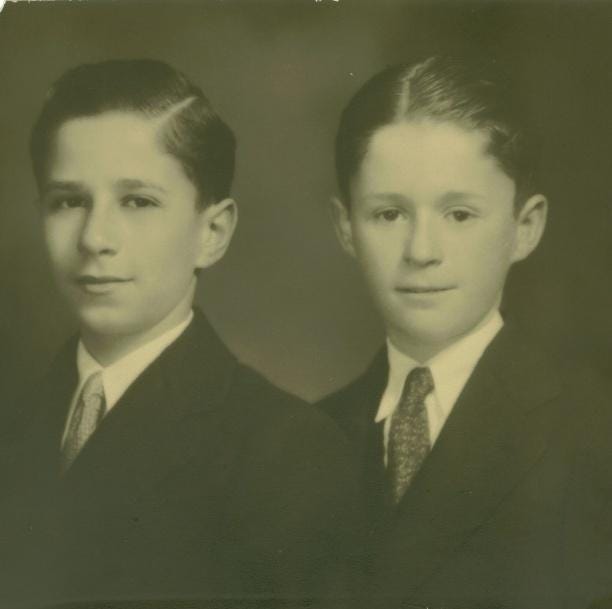
Among the many gifts my dad left me, this model of lifelong friendships stands out.
My mom was a collector of friends as well. I clearly recall my parents’ many friendships, played out on summer evenings when a couple would arrive and the foursome would repair to our patio for a meal and a long evening of discussions about the family, politics, civil rights, movies, books and plans for the future. Most of these evenings involved friendships initiated by my mom but my dad played a full part as host raconteur and a talent for being able to converse with anyone. Today, we call it active listening.
And then there were the neighborhood parties. Not that frequent, but always epic, I recall having to place cigarettes and matches around the living room and roll up the carpet in the family room for dancing. Five or six couples from the block would show up and be treated to my mom’s best cooking and the unwritten expectation of staying well after midnight to secure the party’s place in family lore. Forty years later, my best memory from my sister’s retirement was seeing the evening’s most raucous table filled by the neighborhood gang from Wilson Avenue.
With this rich inheritance of how to be a friend, I felt deeply the isolation of the COVID-19 pandemic. I was lucky to get early advice to “find your people online.” This seemed so easy and obviously doable that I immediately got busy.
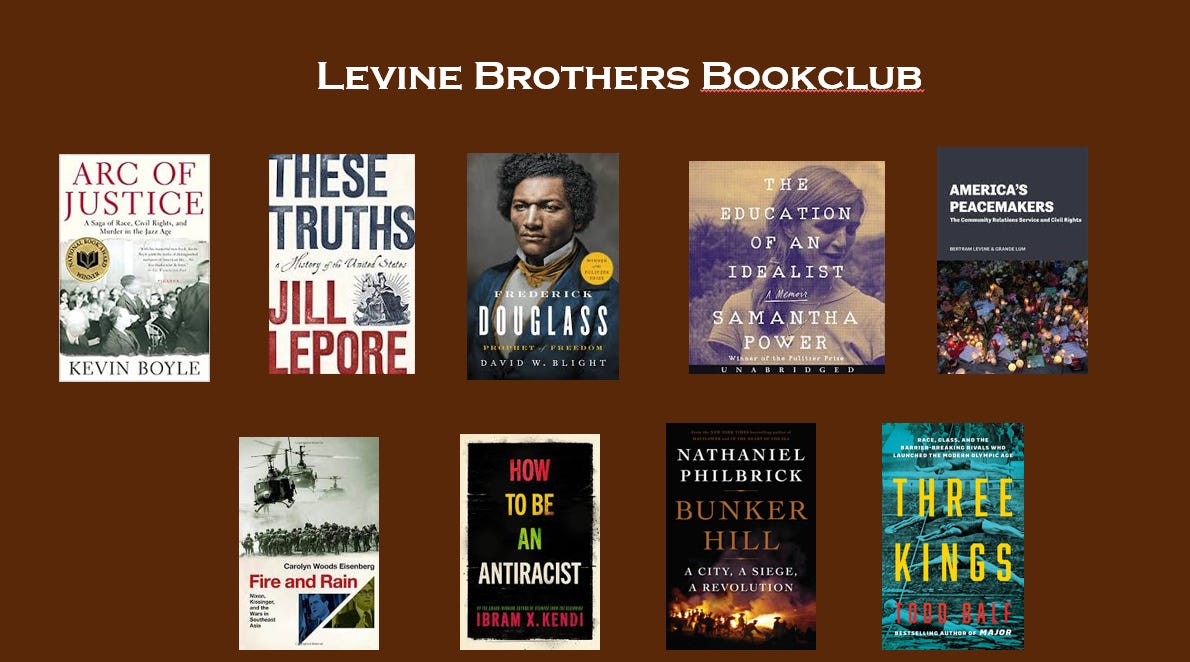
I started a two-person book club with my brother, conducted via Zoom. I eagerly organized zoom calls with a group of high school friends, at first to just check-in and then to recommit to our decades’ long connection when in-person visits were no longer possible. On another virtual call, an all-year alumni on-line summer camp reunion brought together friends 50 years after our joyful summers together on Maryland’s Eastern Shore.
I found other ways to lean into connecting as a practice. When a random thought brought a person to mind, I immediately called them. Often, they would say something like, “That’s weird. I was just thinking about you.” Or maybe, they were just being nice. Either way, it brought us closer. I even brought this connective impulse to my work practice. I was starting to get regular inquiries from people interested in getting certified as a professional coach or starting a coaching practice. Rather than take these calls one by one, I started a coaching circle to support these news coaches in their transition.
With all the isolation and heaviness that came with the pandemic, reaching out gave me agency. It strengthened my relationships. It brought me the joy of connecting with others again.
Joy became available again with those first post-pandemic visits with friends IRL. Sitting with a friend at “Call Your Mother,” a D.C. bagel joint, I recall stopping in mid-conversation and saying, “Isn’t it amazing to be together again?” When I began facilitating meetings, I made sure that I brought this new appreciation for an opportunity to be in a room and not a Zoom.
I fed this renewed interest in the connective tissue of our relationships into a deeper dive into the literature on loneliness and friendship. I was particularly intrigued by the findings of the 2023 Advisory of the U.S. Surgeon General in which he found that loneliness “…is associated with a greater risk of cardiovascular disease, dementia, stroke, depression, anxiety, and premature death.”
That’s a finding that made me want to phone a friend - STAT!
Not surprisingly, this is also one of the report’s recommendations. Sharing meals, performing acts of service, practicing gratitude, participating in community and social groups, and seeking help in times of struggle are the small steps U.S, Surgeon General Vivek H. Murthy, M.D. said we take every day “to strengthen our relationships, and by supporting community efforts to rebuild social connection, we can rise to meet the moment together…Our future depends on what we do today.”
These words are prophetic at a time when there are extremely dark forces at work, aided by those actively seeking to divide us. The remedy is equally clear: get busy, share yourself with others, serve and connect.
What practices have you started that connect you with others?
Filling My Cup
“Do what you can, with what you have, where you are.”
Teddy Roosevelt
Working on a local political campaign has filled my cup dramatically. For the last two months, I spent time holding campaign signs, knocking on doors and distributing campaign literature, bringing coffee to sign-holders at the polls and working to support my candidate in whatever way she needed. In the process, I met dozens of new people, including my campaign colleagues, elected officials and office seekers. I also met plenty of strangers knocking on doors to solicit their support. I liked hearing their stories while practicing grassroots democracy in community with others and putting in office an exceptional candidate and public servant who shares my values.
From The Bookshelf
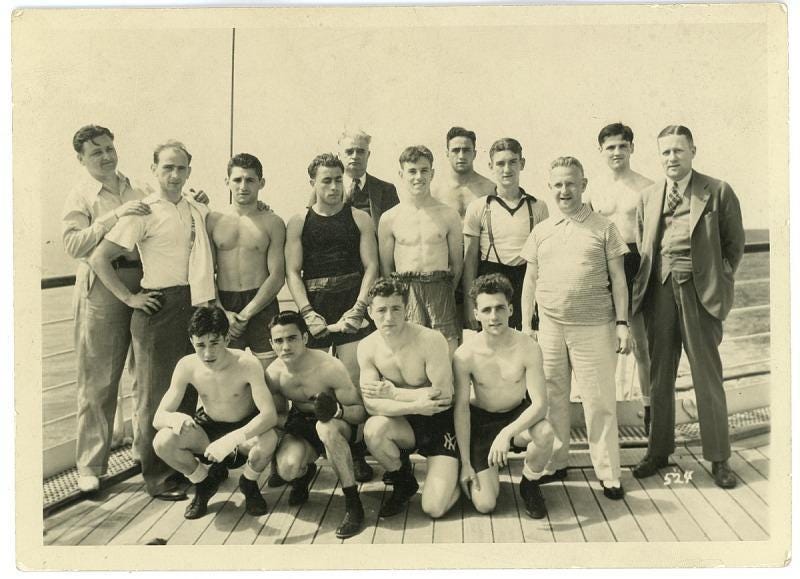
The exploits of the 1924 Men’s Olympic Swimming Team intrigued me because my grandfather was the Assistant Manager of the U.S. Boxing Team in those Olympic games. He regaled me with stories of the Olympics in 1924, 1928 and 1932, the last one with my thirteen-year-old dad in tow. In this story-behind-the story of three swimmers who ruled the sport in the early 20th century, I found plenty to reward my curiosity as I thought of my grandfather, shipboard en route to Paris.
Todd Balf, from Beverly, MA, writes about little known stories with outsize impact. In his new book, Three Kings, he chronicles the careers of Duke Kahanamoku, Katsuo Takaishi and Johnny Weissmuller. These athletes reached superstar status along with other elite sports heroes of the day. But they also navigated issues of deep prejudice, reflecting the prevailing attitudes on race, class and ethnicity affecting Kahanamoku who hailed from the Hawaiian Islands before statehood, Takaishi from an increasingly modern Japan, and Weissmuller, a Hungarian immigrant. Balf recalls the high interest in eugenics and the white superiority debate of the first two decades of the 20th century and its impact on these athletes. While these men and others succeeded in integrating their sport, they suffered racism, mistreatment and blatant prejudice in the press and broader society. – with some of the same discourse on Christian nationalism and replacement theory that continues to plague our country.
Wonderful story and great insights.
Thanks, Neil. Connection is key. I remember talking to you in our 30s about contacting people from our college years. “I think about them all the time, but I don’t want to bother them.”
You asked me, “Would you be bothered by a call?”
“Of course not! I’d be thrilled for the opportunity to catch up.”
Your answer was simple. “That’s how they feel too.”
Thank you for that tiny encouragement which has allowed me to maintain so many nourishing connections even from a distance.